OBSERVATORIES
Observatories
and equipment
Ten remote sites, on four continents.
El Sauce Observatory
RIO HURTADO, CHILE
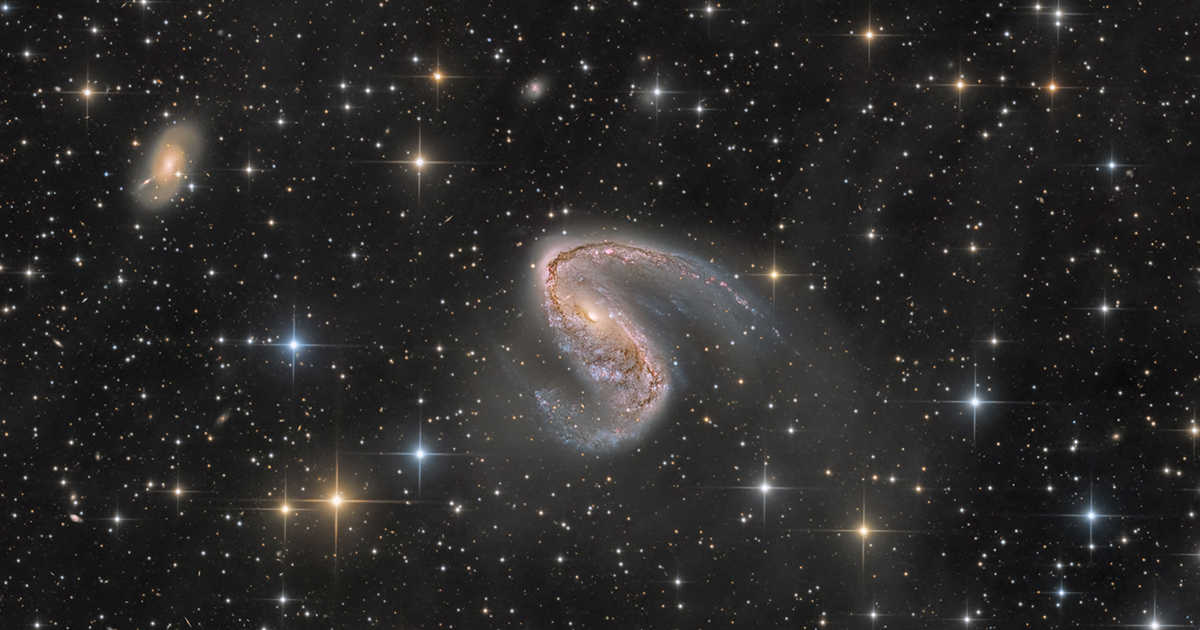
Obstech has hosted telescopes in the Río Hurtado valley since 2015, on the same ridge as Cerro Tololo, Gemini South and the Vera Rubin Observatory. Over three hundred clear nights a year, and seeing that often stays under an arcsecond. More of this site came from here than from anywhere else, and so did my best results — Arp 286 and NGC 2442, two of the three images NASA picked, were both gathered here.

Grand Mesa Observatory
WHITEWATER, COLORADO, USA
Grand Mesa Observatory sits on the Colorado plateau in western Colorado, and is a certified nonprofit: everything it earns from renting pier space and telescopes goes back into running the site and into its educational work with Colorado Mesa University. You can ship your own equipment there, or subscribe to a shared setup — and on the subscription telescopes the targets are put to a monthly vote among subscribers.
PixelSkies
CASTILLEJAR, SPAIN
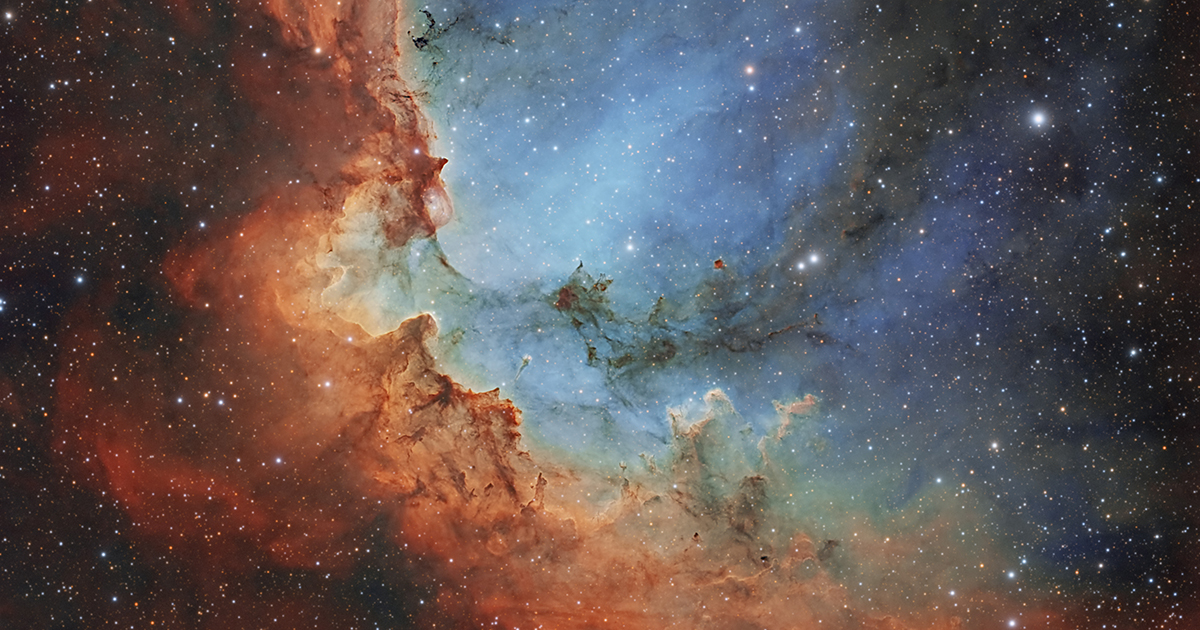
PixelSkies is five kilometres from Castilléjar, at 850 metres, in the province of Granada. Nine automated observatory buildings, run by astrophotographers who live on site and maintain the equipment by hand rather than remotely. It is also the one place on this page where the equipment is ours: Team Astrofleet owns and operates a setup here.

Heaven's Mirror Observatory
Operated by Martin Pugh
YASS, AUSTRALIA
Heaven's Mirror Observatory is Martin Pugh's own, near Yass in New South Wales, at 530 metres. It holds MPC observatory code Q56, which means positional measurements made there are accepted by the Minor Planet Center. Seeing usually sits between 1.5 and 2.5 arcseconds.
Apollo 11 Observatory
FREGENAL DE LA SIERRA, SPAIN
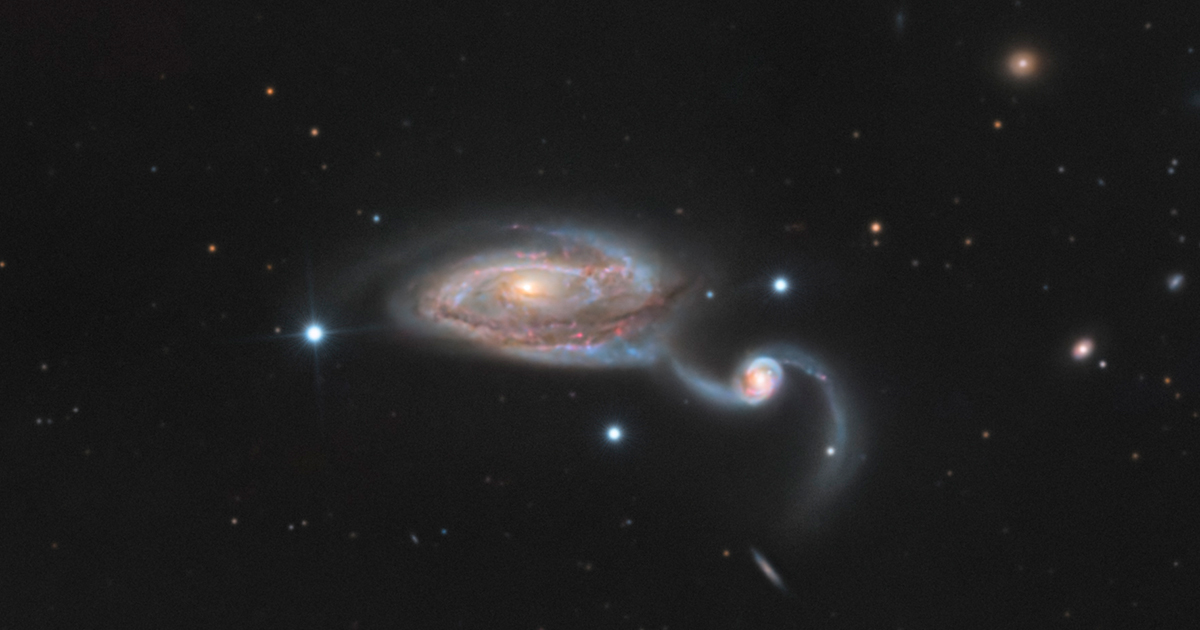
Apollo 11 Observatory is run by Roboscopes, who have been operating remote piers since 2016. It sits at 535 metres, under skies that hover around 21.3 on the SQM scale, with seeing between one and two arcseconds and a roof that opens by itself at dusk. Roboscopes offers four ways in — hosting your own equipment, renting by the month or by the hour, or buying a share in a pier alongside other imagers.
Deep Sky West
ROWE MESA, NEW MEXICO, USA
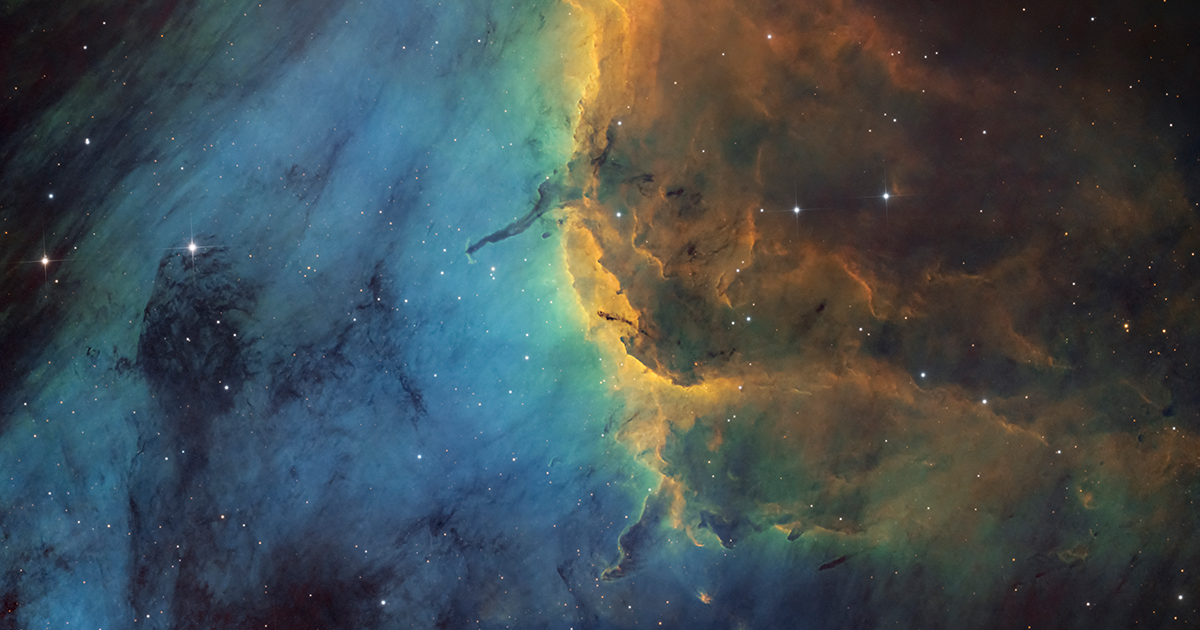
Deep Sky West sits at 7,400 feet on Rowe Mesa in northern New Mexico, under skies of 21.7 SQM or better, with 220 to 250 clear nights a year. Seeing runs between one and two arcseconds, and 0.8 has been recorded. The horizon is clear down to 25 degrees.

Deep Sky West
RIO HURTADO, CHILE
The same operation runs a southern site in the Rio Hurtado valley in Chile — the same valley as El Sauce, higher up this page.
Dark Sky New Mexico
ANIMAS, USA
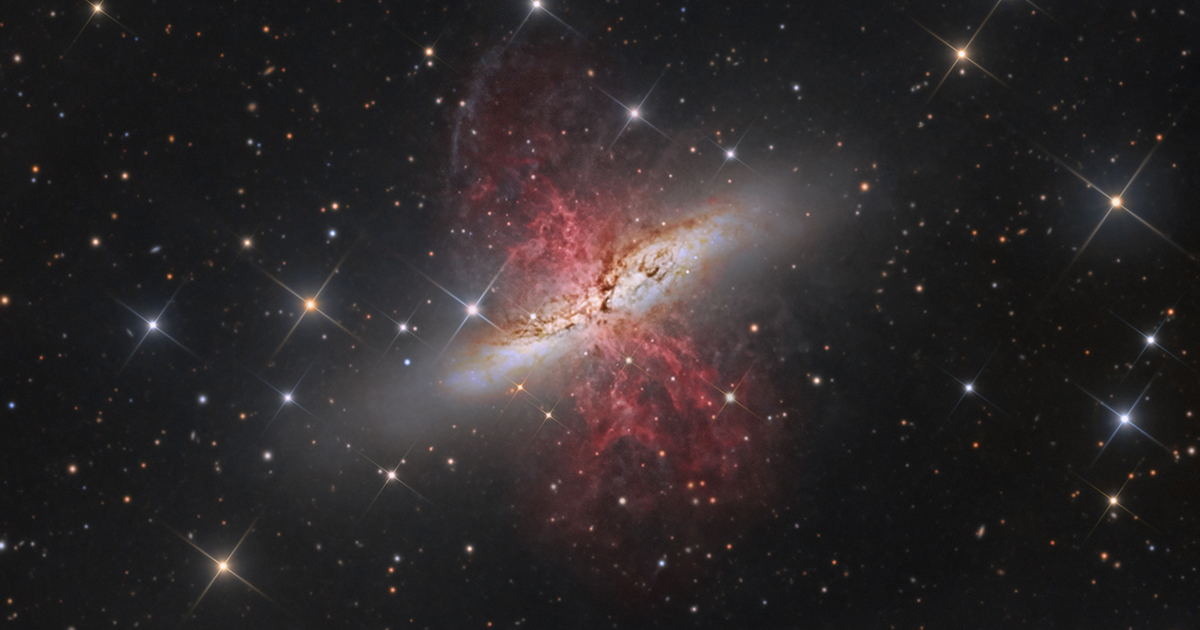
Dark Sky New Mexico sits in the Peloncillo foothills near Animas, at 4,400 feet, under Bortle 1 skies — the darkest class on the scale. It measures 21.78 on the SQM scale, with more than 275 usable nights a year and seeing between 1.1 and 1.9 arcseconds. Fifty-three piers under twenty roll-off roofs, used by imagers from seven countries.
IC Astronomy Observatory
ORIA, SPAIN
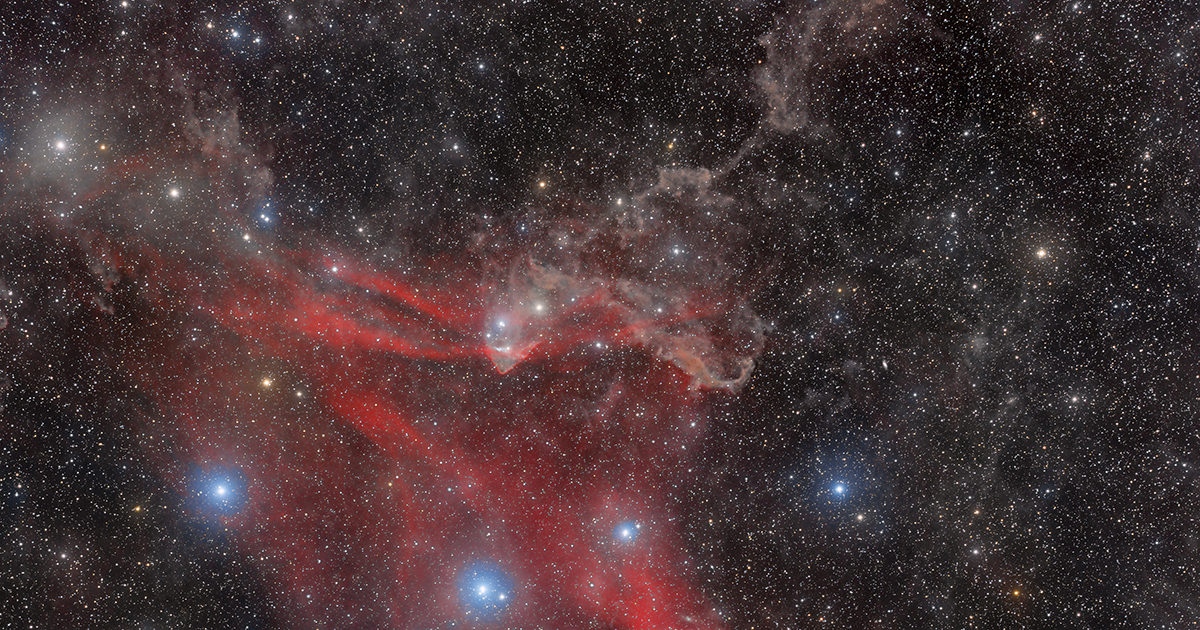
IC Astronomy is fourteen kilometres from Oria, in the province of Almería, under skies rated between Bortle 1 and 2. On the best nights the Gegenschein is visible there — the faint glow opposite the Sun, which takes an exceptionally dark sky to see at all. Around thirty telescopes, in buildings whose roofs are driven centrally, with maintenance done on site.
Sierra Remote Observatories
CALIFORNIA, USA
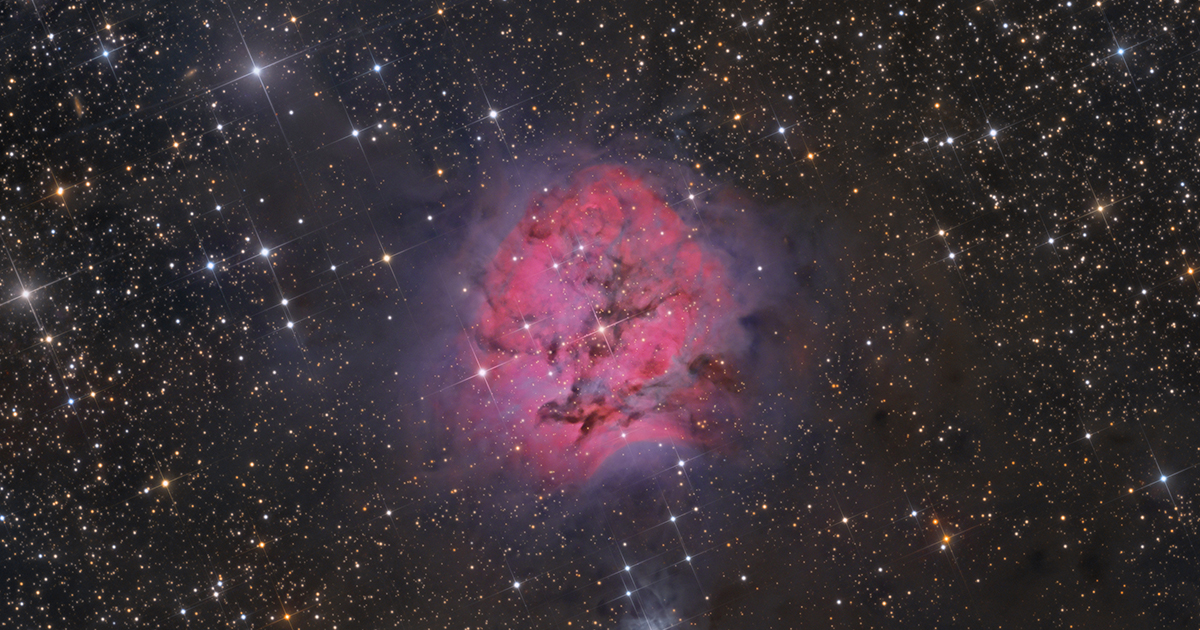
Sierra Remote Observatories has been running since 2007 in the Sierra Nevada above Auberry, and now holds more than 180 telescopes — the largest site on this page. Seeing is one arcsecond in summer, 1.2 in winter, and drops below the arcsecond at its best. 290 clear nights a year, skies at 21.80, and an average wind speed of one mile per hour.
Space telescope archives
EARTH ORBIT
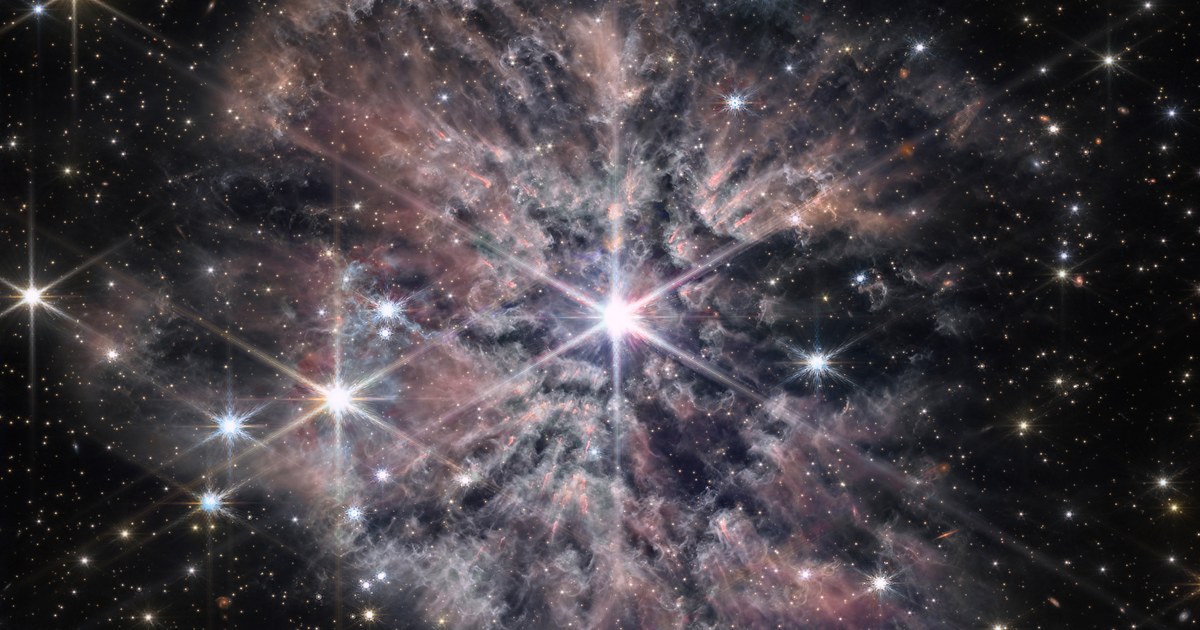
Data from the NASA/ESA Hubble Space Telescope and from the NASA/ESA/CSA James
Webb Space Telescope is public. It is released through MAST, the Mikulski Archive for Space Telescopes, as calibrated exposures, filter by filter — the same material the original science teams worked from. What arrives is not an image. Each filter is a separate monochrome frame on an arbitrary intensity scale, and colour has to be assigned rather than recorded.
These instruments sit above the atmosphere, and that is not a matter of performance. Some targets cannot be reached from the ground at all; others hold detail that no aperture below the air will resolve, however good the site and however long the exposure. Processing that data is the only way to show them here.